
Verify authorization
Photo ID and ownership or authorized-use records are reviewed before key generation.
Mobile automotive locksmith · Spokane, WA
When no working key remains, the job is different from copying a spare. The vehicle must be identified, access and key-code options reviewed, and the new key introduced to the security system where required.
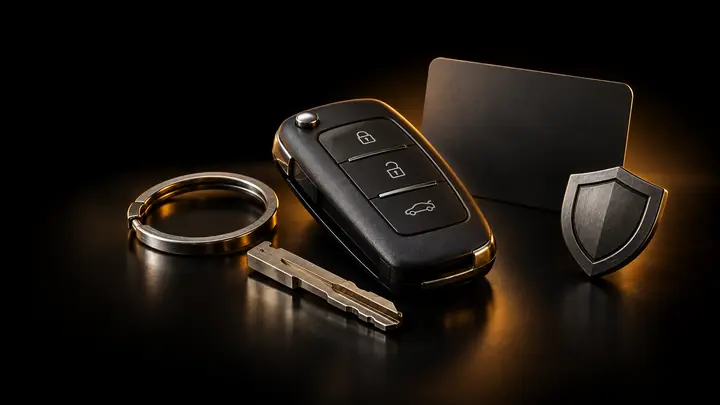
How the request is evaluated
With no working original, the process cannot begin by copying a known key. Vehicle identification and lawful authorization come first, followed by the supported access, cutting and enrollment path.
Photo ID and ownership or authorized-use records are reviewed before key generation.
The supported method depends on the vehicle, security generation and available records.
Where supported, ask whether missing devices can be removed from authorized memory.
Details that change the job
An all-keys-lost job begins with proof that the requester controls the vehicle. The next step is to identify the supported way to obtain or derive the key information without treating a generic blank as a complete solution.
The final plan may combine lawful vehicle entry, a newly cut blade and electronic enrollment. If the platform supports removing missing devices from memory, that question can be reviewed as part of the security conversation rather than assumed.
All keys lost
The first questions are practical: where the vehicle is, whether it is safely accessible, its year/make/model, and what ownership documents are available. The key type and security generation can then be checked before equipment or parts are committed to the visit.
Depending on the vehicle, the process may involve gaining authorized access, deriving or obtaining the correct cut information, cutting a blade and programming a transponder or proximity device. Not every vehicle uses the same sequence.
Security and expectations
Creating a key or entering a locked vehicle affects control of the vehicle. Verification protects the owner and the technician. If the name on the paperwork is different, explain the situation during intake so the appropriate authorization can be discussed before arrival.
A web form cannot confirm that a key can be produced or promise an arrival time. It gives the dispatcher enough information to evaluate coverage, parts and the required procedure.
Plan ahead afterward
Once the vehicle has a working key again, consider a spare key while the working key is available. A duplicate can reduce the disruption of the next loss, but it still needs to be compatible and properly programmed when the vehicle requires it.
Related services
Replacement options for missing, damaged or unreliable vehicle keys.
Explore services Mobile automotive locksmith · Spokane, WAChip-key enrollment and testing for supported immobilizer systems.
Explore services Mobile automotive locksmith · Spokane, WASpare mechanical, transponder, remote-head or smart keys where supported.
Explore servicesFrequently asked questions
VIN and ownership records may help identify the vehicle and key information, but the method varies. A VIN alone does not remove the need for authorization or vehicle-specific checks.
Some vehicle systems allow stored keys to be erased or re-enrolled. Ask about this during intake; the available procedure depends on the vehicle.
Include the garage level, clearance, access rules and exact location. Mobile equipment and signal conditions may affect how the visit is planned.
Explain that before dispatch. The technician still needs a lawful way to verify identity and authority; the acceptable sequence must be agreed before work starts.
Tell us what you drive
Send the vehicle year, make, model, current location and what happened. We will confirm coverage, likely key type and the next available step before dispatch.